

Guttering and Downpipe Repairs
The guttering and downpipes around your home are designed to channel water away from the foundations and walls, thus protecting your home from serious damage. It is crucial to fix them as soon as possible when they're damaged.
First, clean the area with a wire brush to get rid of any rust or paint that has escaped. Then, cut a length of repair tape about a few centimetres longer than the length of the downpipe, and then remove its paper backing.
Gutters
A guttering system plays a crucial role in any building. It helps to direct water away from walls, foundations and other structural elements and protects against serious damage. It is crucial to fix your guttering as fast as you can if it has sprung a hole.
The first thing you'll need to do is perform an inspection of all your downpipes and gutters. After you've completed the inspection, note of any issues and decide the best way to fix them.
Gutters can be damaged by a variety of reasons, such as ageing or damage caused by storms. They may also be damaged when they are struck by falling debris. If you notice cracks or holes in your guttering, you should think about replacing the entire section of guttering. This can be more cost effective than repairing smaller areas.
If you've a small tear or fissure, you can easily repair it by using gutter sealant. It is also necessary to clean the gutters and downpipes thoroughly before applying the sealant. This will ensure that the area is free of any dirt or rust and will assist in making the sealant adhere effectively to the guttering.
Another issue that gutters face is that they can get clogged with dirt and leaves. It is essential to clear out a blocked gutter, as it could cause sagging. A blocked drain can lead to flooding in your basement. Check for evidence of mildew and water around the foundations of your house.
If your gutters are leaking, it's probably because of an overflow or because the downpipes have become loose. Both of these problems can be solved by removing the gutters and downpipes and cleaning them and then spraying them with silicone lubricant. After this is dry, you can reinstall the downpipes and gutters and then make use of the bucket of water or a hose to flush them and test the seals. If the seals are faulty and you'll need to replace the downpipes or guttering. The cost will vary depending on the size and material of the guttering. Ask for quotes from multiple gutter contractors prior to making any decision.
Downpipes
Downpipes play a vital function in a drainage system for roofs, which helps to prevent water damage. They are used to divert rainwater away from a building's roof and send it to a desired location like a garden or soak well. Without downpipes, rainwater could cause flooding, pooling, or even damage the foundation of a building.
Traditionally, downpipes were constructed out of metal. These pipes aren't ideal because they rust and corrode over time. PVC downpipes are used in modern homes because of their long-lasting durability and durability. If your downpipes rust or break, seek out a professional immediately to have them repaired.
The number of downpipes required for a home will depend on the size of the roof and its pitch. Ideally, downpipes should be spaced at minimum 9m (30ft) to 12m (39ft) apart to ensure that stormwater will flow correctly from one pipe to the next. If the downpipes have too much space between them, they can cause turbulence and reduce performance.
If you have an unattached gutter that is pulling away from the wall, this could be a sign of serious issues with the straps or astragals. In the majority of cases, they will require replacement to prevent the downpipe from separating itself from the gutter. If left unattended, this can lead to significant structural damage that could be costly to repair.
Clogs are a common issue in downpipes. These can occur when leaves and other debris become stuck in the pipe. This could cause severe damage to downpipes and gutters if left unattended. To avoid clogging, it is important to regularly clean the downpipes of any debris.
For car enthusiasts, an upgrade to the downpipe is a great way to boost horsepower and enhance the vehicle's overall driving experience. It improves exhaust flow, reduces backpressure and can improve fuel economy. It is important to study the advantages and disadvantages of installing a downpipe before you decide. It's also a good idea to talk to experts and understand the pros and cons of this modification. A professional can help you choose the best downpipe for your particular vehicle.
Clogs
It's not unusual for guttering and downpipes that are located on the exterior of your house to get worn out. It's fairly easy to fix them quickly if you spot damage. Downpipe Specialists hillingdon starting point is to check whether your downpipe is blocked.
A blocked downpipe could cause drops to re-splash back onto the walls of your home and may also cause water to find a new route through your foundations or walls. A build-up of leaves and debris is the primary cause, however the bird's nest or fallen tree branch could also be the cause.
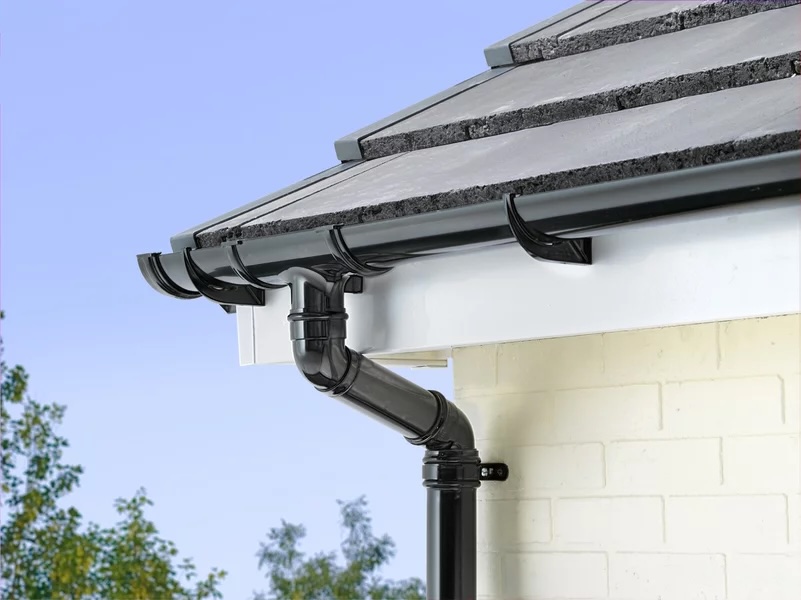
Remove any visible debris to fix an obstruction in the drainpipe. It is advisable to gently flow water down the pipe using an hose to clear any blockages. This will remove the blockage, allowing water to flow freely through the gutter.
You can also try tying a rope onto one of the gutter hangers, and then run it down into the downpipe. This will stop water droplets from falling down the downpipe. However ropes can impede the flow of water and might not be the ideal solution for gutters that are prone to overflowing or clogged by leaves and twigs. If you decide to go with this method, make sure you make use of a synthetic rope such as nylon, since one made from natural fibres will rot.
Alternatively, you can try a gutter repair kit such as Protecto-Tek, to clean and seal the area. It is readily available in many hardware stores. This kit is a fast and easy way to fix leaks. The repair kits include an adhesive primer, a specific gutter tape, and a rubber washer. When repairing an damaged gutter section, use extreme caution while working on the ladder. A person with you to hold the ladder securely against the home.
A leak in the seals that join guttering to downpipes is typically the cause of leaks in gutter sections. This can be caused by a variety of causes, such as exposure to elements, cold or heat, ageing and general wear and tear, as well as the movement of your home's structure. To fix a leaky gutter section, clean the leaky area and take off any sealant that has been used before applying a new layer.
Leaks
A leaky gutter could cause serious water damage to your home. It can seep into walls and foundations, causing structural problems. A leaking gutter can also attract rodents and other insects that are attracted by the humidity.
Usually, leaks from downpipes or gutters are a result of an opening in the seal, or in some instances, a crack. A damaged or cracked downpipe can be repaired by sealing the damaged area with a weather-proof gutter sealant or tape. A more severe hole or crack in a gutter may need to be repaired.
Leaks from the gutter's end cap are typically the result of a downspout obstruction. Any time you see an end cap leak within just a few feet of the downspout, it's a sign that there's a blockage close by. Instead of trying to clear the obstruction which may not resolve the problem you should think about replacing the entire gutter end cap.
Downpipes are outside so they are susceptible to a wide range of damage, such as being hit by a vehicle ladder being pushed against them or children's ball games. They are also susceptible to damage caused by ice or abrupt temperature fluctuations.
A downpipe can be the victim of corrosion or rust particularly when the pipes are in the ground or against brickwork. Cleaning your downpipes regularly can help reduce the likelihood of a leak or crack that is forming.
Installing guttering systems that have a slight slope will help in the flow of water away from your home towards the downspouts. This protects the walls, roof and foundations of your house from water damage.
If your guttering is fastened to the fascia board using hangers, screws, or nails, these may loosen over time due to wear and vibrations, or general wear and wear and tear. Loose fasteners may also cause small leaks around the joints. These can be easily repaired by caulking or gutter sealant. You can use guttering clips as a temporary solution to hold the gutter.